Chemical & Physical Peptide Evaluation
It is an area-percent pureness dimension, not a total identity or task test. Significantly, pureness percentages define chemical composition only-- they do not show sterility or biological viability. Peptides from Maxed Out Compounds are supplied exclusively for research laboratory research use and are not intended for human or veterinary purposes. Peptide pureness is generally revealed as a percentage, such as 95% or 98%. This number represents how much of the example is composed of the desired peptide series. For most lab applications, a pureness of 95% or greater is considered research-grade.- For peptide pureness screening, reverse-phase HPLC is the typical conceptual design.Some peptides fail not since the series is incorrect, however because their physical actions in actual solvents is poorly understood." With each other they supply more powerful batch-level proof than either approach alone.Peptides having methionine or cysteine residues are susceptible to oxidation.
Chromatography Column
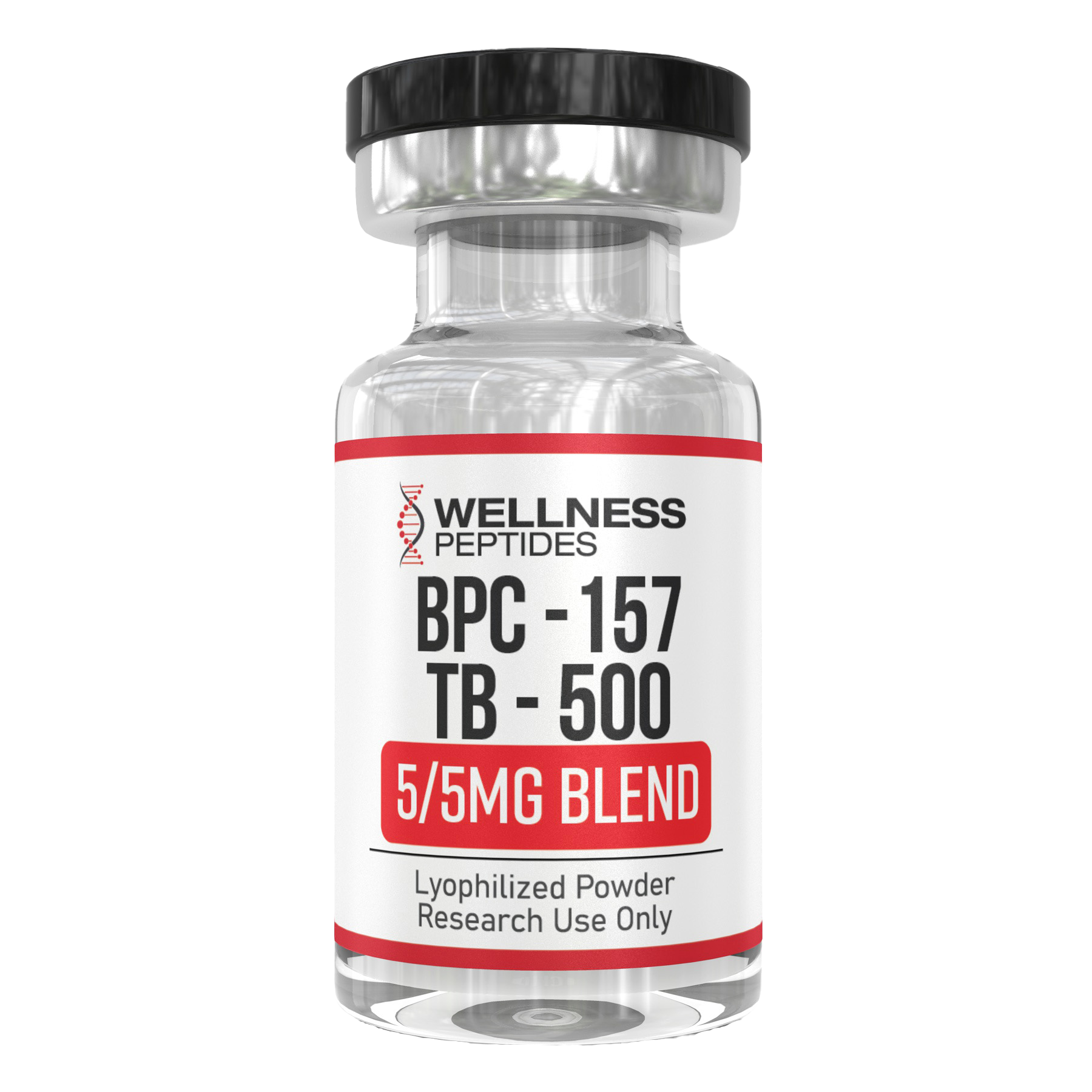
HPLC can sustain claims concerning chromatographic pureness, impurity peak burden, and destruction fads when the approach is ideal and the chromatogram is available. If a peptide is re-tested after storage stress and anxiety, HPLC can disclose whether new pollutant tops have appeared or whether the primary height location has actually decreased. This links directly with taking care of subjects such as peptide storage and peptide reconstitution. As an examples of product-level context, contrast the anticipated masses for Retatrutide, BPC-157, and Semaglutide.Can Hplc Identify Peptide Destruction?
The gold requirement for gauging peptide pureness is high-performance fluid chromatography, globally abbreviated as HPLC. If you see a pureness percentage on a peptide product, it almost certainly came from an HPLC analysis. This issues due to the fact that peptides are developed one amino acid at a time via solid-phase peptide synthesis (SPPS). At each action, there's a little chance that something fails-- an amino acid doesn't attach, the wrong modification happens, or a side response produces an unplanned byproduct. Over a chain of 10, 20, or 40 amino acids, those tiny per-step mistake rates compound.